
Catholic Chaplets
Catholic chaplets are small, simple prayer tools that quietly follow us through ordinary days. They fit in a pocket or bag, rest on a nightstand, or stay close in a car, helping us remember that prayer can be gentle, short, and part of everything else we already do.
Catholic Chaplets in Everyday Life
When people think about prayer beads, many immediately picture the Rosary. That is beautiful and important, but there is also a whole world of chaplets that are smaller, more focused, and often tied to a particular devotion. Catholic chaplets can be dedicated to Jesus, Mary, specific saints, or particular mysteries, and they give us a very practical way to turn a few spare minutes into quiet time with God.
I first came to appreciate Catholic chaplets when my workdays became hectic and my longer prayers kept getting pushed aside. A full Rosary sometimes felt out of reach during a lunch break or in between meetings, but a brief chaplet was something I could actually finish, calmly, without rushing. Over time, these shorter prayers became a steady rhythm in my day, like a breath I needed but did not notice until it was missing.
One thing I love is how chaplets can match particular seasons of life: a chaplet for trust when things feel uncertain, a chaplet of mercy when the world feels heavy, or a Marian chaplet when I need a motherly presence. They do not fix anything overnight, but they gently shift my attention toward God, even when nothing else around me changes.
 I want to look
For an American Catholic who juggles family, work, and responsibilities, chaplets can be a quiet companion rather than a project. They slip into daily routines: a few beads prayed while walking the dog, waiting in a parking lot, or sitting in the dark when sleep will not come. Bit by bit, they teach us that prayer does not always need a perfect atmosphere to be sincere.
Choosing a Chaplet that Fits Your Prayer
When I first looked for Catholic chaplets online, I felt slightly overwhelmed. There were many devotions, designs, and materials, and I did not want to collect religious objects that I would barely use. Over time, I found it helpful to think less about “collecting” and more about how each chaplet might quietly serve a specific place in my prayer life.
A chaplet does not have to be expensive or elaborate to be meaningful. What matters most is whether you actually feel drawn to pray with it. Some people like wood because it feels warm and simple; others like metal or glass for their weight and clarity. I learned to pick chaplets that I would not be afraid to keep in my pocket, my car, or my backpack.

For example, I keep one sturdy chaplet clipped in the console of my car. It is not fragile, it does not tangle easily, and I can find the beads by touch when I am early for an appointment and waiting in the parking lot. That simple, practical choice has made it much easier for me to turn wasted minutes into a brief, honest conversation with God.
You might think about:
- Where you plan to keep the chaplet (desk, car, purse, nightstand).
- Whether you prefer smooth or textured beads under your fingers.
- If you need something very durable for frequent travel.
- Which particular devotion gently draws your heart right now.
These details seem small, but they quietly shape whether the chaplet becomes something you truly reach for, or something that sits untouched in a drawer.
Different Types of Catholic Chaplets
There are many Catholic chaplets, each with its own history and pattern of prayers. You do not have to know them all, and you certainly do not need to pray every devotion. Slowly discovering a few that speak to you is more than enough. Here are some types that many Catholics find helpful:
Chaplets Focused on Jesus
Some chaplets draw us closer to the Heart of Jesus, His mercy, or His human suffering. These prayers are often honest and direct, especially on difficult days.
- Chaplets that focus on the Passion can help us stay close to Jesus in times of pain, illness, or loss.
- Chaplets of mercy quietly invite us to hold the world, and our own sins, before God without pretending or hiding.

I remember one especially heavy winter when I carried a chaplet focused on the wounds of Christ. I did not have many words for prayer at the time, but simply moving along those few beads and quietly repeating the same short prayers helped me feel less alone. Nothing dramatic happened around me, but something softened inside, and that was enough for that season.
Marian Chaplets
Marian chaplets are dedicated to Mary under various titles. Some highlight particular mysteries of her life; others focus on her motherly care. These chaplets can be especially comforting when family situations feel complicated, when we worry about children, or when we simply need a quiet sense of being held.
Many American Catholics find that a Marian chaplet fits easily into family life: prayed together in the living room before bed, or whispered alone while folding laundry. In those ordinary moments, Mary feels close not in a dramatic way, but like a steady presence that knows what family life is really like.

Chaplets of the Saints
Other Catholic chaplets are associated with particular saints. These can remind us that the saints were real people who struggled, worked, suffered, and trusted God in situations not so different from our own. A chaplet of a favorite saint becomes almost like holding that friendship in your hands.
I keep one simple chaplet of a saint known for patience. On days when I feel rushed, irritated, or discouraged, just reaching for those beads helps me remember that holiness often looks like staying calm in small, hidden moments. The prayers are short, but they steer my thoughts away from frustration and toward quiet perseverance.

How to Pray with a Chaplet
Learning to use Catholic chaplets does not have to be complicated. Most chaplets come with a small leaflet or description that explains the specific prayers. You do not need to memorize everything at once. Reading slowly from a card or booklet while moving from bead to bead is perfectly fine.
Here are some simple steps that many people find helpful:
- Begin by making the Sign of the Cross, quietly asking God to be with you.
- Hold the cross or medal for a moment and tell the Lord, in your own words, what is on your heart.
- Move through the beads at a calm pace, allowing the repeated prayers to settle you rather than rushing.
- If you get distracted, gently return to the words and the feel of the beads in your fingers.
- End with a short, sincere prayer of thanks, even if you still feel restless.
Over time, the chaplet can become familiar, like a well-worn path. You may even find that certain phrases stay with you during the day, rising to the surface while you drive, cook, or walk.
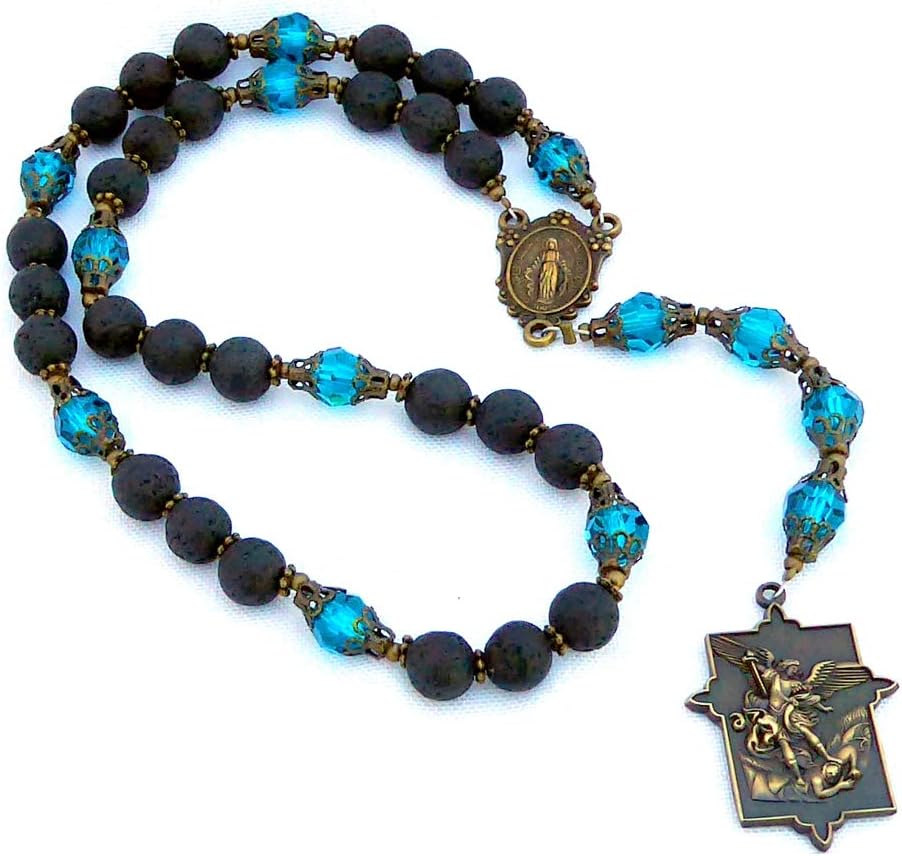
For me, the turning point with chaplets came when I stopped worrying about “doing it perfectly.” Some days I pray an entire chaplet slowly and attentively. Other days, I only manage a portion before something interrupts. I have learned to offer God even the incomplete prayers, trusting that He sees the desire behind them more than the total number of beads finished.
It can also help to associate a particular chaplet with a certain time of day. For example:
- A chaplet of mercy during a midafternoon break, remembering those who suffer.
- A Marian chaplet in the quiet moments just before bed.
- A chaplet of a favorite saint during a commute, asking for guidance and patience.
When a chaplet has its own “place” in your schedule, it becomes easier to return to it day after day, almost like meeting a friend at the same bench in the park.
Caring for Your Chaplet with Respect
Catholic chaplets are, in many ways, ordinary objects: beads, wire, cord, medals. At the same time, they become special to us because of the prayers we have whispered while holding them. It feels natural, then, to treat them with simple, calm respect.
I try not to toss chaplets into the bottom of a bag or leave them tangled with headphones and keys. Instead, I give each chaplet a small, steady place: a little dish on my nightstand, a side pocket in my purse, or a soft pouch in my backpack. That simple habit not only protects the chaplet, it also reminds me that prayer deserves a small space in my day.

If a chaplet breaks from frequent use, it can be a little sad, especially if many memories are attached to it. Some people learn basic repair skills, re-stringing the beads on a new cord. Others retire the chaplet respectfully, perhaps keeping a favorite medal and then disposing of the broken parts in a simple, reverent way. There is no need for complicated rules, just an honest desire to handle something prayerful with care.
Sometimes, carrying a chaplet in a visible way can lead to quiet conversations. A coworker once noticed a small chaplet peeking out of my pocket and asked about it. That simple question turned into a gentle conversation about prayer, not a debate or a lesson, just two people sharing what helps them stay grounded. In that moment, the chaplet became not only a tool for my own prayer, but also a quiet sign of faith for someone else.
Finding Peace with Catholic Chaplets
Over the years, Catholic chaplets have become like steady companions for me. They do not solve my problems, and they do not guarantee emotional comfort. But they give my hands something to do when my heart is restless, and they provide simple words when my own feel small or scattered.
There are evenings when I sit in a dimly lit room, holding a chaplet and praying slowly through each bead. The day’s worries do not vanish, but they feel more bearable when placed in God’s presence. On other days, the chaplet is just a brief pause between tasks, a quiet breath in the middle of noise.
Catholic chaplets remind me that faith is not only about grand gestures or big emotions. It is also about small, steady steps: one bead, one prayer, one quiet moment of trust at a time. Whether we feel spiritually strong or very weak, the simple act of picking up a chaplet says, “Lord, I am here, even if I do not have many words.”

If you are exploring chaplets for the first time, it might help to start with just one devotion that gently attracts you. Use it quietly for a while, without pressure or big expectations. Let the prayers become familiar. See how they fit into your mornings, your commutes, or the last minutes before sleep. Over time, you may discover that this simple strand of beads has become woven into your relationship with God in a very down-to-earth way.
Frequently Asked Questions about Catholic Chaplets
1. How are Catholic chaplets different from the Rosary?
The Rosary is a specific, longer devotion with a well-known structure. Catholic chaplets are usually shorter and focus on particular mysteries, attributes of Jesus, titles of Mary, or individual saints. While the Rosary is like a long, familiar walk, chaplets can feel more like brief paths that you can follow when time or energy is limited. Many Catholics pray both, depending on the day and their needs.
2. Do I need a priest’s blessing for my chaplet?
A chaplet can be used in prayer even without a blessing. That said, many Catholics appreciate having their chaplets blessed by a priest when possible. A blessing does not make the chaplet magical, but it places the object and its use in a special relationship with God. If you cannot have it blessed right away, you can still begin to pray with it sincerely.
3. Is it wrong if I do not finish the whole chaplet?
Many Catholics struggle with interruptions, distractions, or fatigue. If you start a chaplet and cannot finish it, you can simply offer God the part you have prayed and continue when you are able. Prayer is not measured only by completed sets of beads. The desire to turn to God, even briefly, already has real value. Over time, gentle consistency often matters more than strict perfection.
4. Can I keep a chaplet in my car or at work?
Yes. Many people keep Catholic chaplets in their car, desk drawer, or bag so that prayer is within reach during breaks, lunch hours, or waiting times. If you work in a setting where religious items might raise questions, you can still keep a small chaplet discreetly in a pocket or bag. Sometimes, a simple chaplet in a visible place can even open respectful conversations when others are curious.
5. How do I choose my first Catholic chaplet?
Choosing a first chaplet can be as simple as asking: “Which devotion quietly draws my heart right now?” Think about whether you feel closer to Jesus’ mercy, Mary’s care, or a particular saint. Consider where you will keep the chaplet and how durable it needs to be. A modest, well-made chaplet that you feel peaceful holding is often a better choice than something elaborate that you are afraid to touch or carry with you.