
Chaplets
Chaplets sit quietly in the palm of the hand, yet they often hold years of prayer, worry, gratitude, and trust. They can follow us through workdays, waiting rooms, long car rides, and late-night hours when words feel few but the heart is still reaching toward God.
Many of us first learned about chaplets as children or young teens, maybe watching a grandparent or an older relative move bead by bead through familiar prayers. I remember seeing my grandmother with a small chaplet that was different from a regular rosary. She kept it in a tiny fabric pouch near her favorite chair. For years I assumed it was just another rosary, until one day she explained that it was a special chaplet for a particular devotion she held close. That simple conversation quietly shaped how I think about these little prayer tools even now.
Chaplets are usually short, focused sets of beads connected to a certain devotion, saint, or mystery of the faith. Unlike a full rosary, which follows a set structure, chaplets can vary a lot in the number of beads and the prayers used. Some people use them for the Divine Mercy, some for the Sacred Heart, some for a patron saint, and some as a way to walk through the sorrows or joys of Mary. Over time, these small patterns of prayer can become as familiar as breathing, especially in stressful or uncertain moments.
What I appreciate most about chaplets is their simplicity. They do not ask for perfect concentration or long stretches of free time. They fit into a pocket, a purse, or the small space between tasks. I have quietly prayed a chaplet in my car at lunch break, on a bench outside a hospital, and even standing in a grocery store line when my mind was racing. The beads do not solve anything by themselves, but they give my hands something steady to hold while my heart tries to rest in God.
This page contains affiliate links. If you click and buy, I may earn a commission at no extra cost to you.

What chaplets can mean in an ordinary Catholic home
In many American Catholic homes, chaplets end up in simple places: a nightstand drawer, a car console, a little basket by the front door, or hanging from a bedpost or a lamp. They are not always displayed like fine jewelry. Often they are tucked away, worn from use, with knots in the cord or a bit of tarnish on the metal. That quiet, “used” look can be a sign of how often someone has turned to them in prayer.
When I think about chaplets around the house, I think about seasons of life. There was a time when a particular chaplet stayed near the baby’s crib, because I would pray it in pieces during late-night feedings. Later, another chaplet moved to my desk, where I would pick it up for just a few minutes before starting work. None of this was planned or impressive. It was just one small way to keep prayer woven into the ordinary flow of each day.
You might find that different chaplets speak to different needs or moments. A chaplet connected to mercy might feel natural when you are carrying regret or anxiety. One tied to a favorite saint might feel comforting when you are thinking of a loved one or facing a hard conversation. Another might simply feel like a gentle habit for the end of the day, a way to hand everything back to God before sleep.
The beauty of these little strings of beads is that they do not demand a certain mood. Some days the words come easily. Other days, you might just hold the chaplet and repeat a short phrase or simply sit in silence. There is room for tiredness, distraction, and uncertainty. The chaplet is there as a quiet reminder that you are not praying alone, even when you feel very alone.
Types of chaplets and how they are usually used
There are many different forms of chaplets, each with its own history, prayers, and pattern. Some are connected to long-standing traditions in the Church; others are more recent devotions that have spread in the last century or so. If you have ever looked into this, you know it can feel overwhelming at first, but over time you simply learn the ones that resonate with you and let the rest be.
A well-known example is the Divine Mercy Chaplet, which many people pray using an ordinary rosary. The focus there is on trusting God’s mercy in the middle of daily struggles. Another example is a chaplet honoring a particular saint, often prayed when asking for that saint’s intercession for a family, a job situation, an illness, or a difficult relationship. Sometimes people who feel a special closeness to one saint will keep that chaplet nearby as a daily companion.
Some chaplets are short and simple, with only a few beads. These can work well when your time is limited, like during a break at work or while you sit in the car waiting for someone. Others are a bit longer and may become part of a regular evening routine. Over time, the pattern of the beads can settle into your memory, so you no longer need to look anything up. Your fingers just know where to go next, and that familiarity can be very comforting.
For those who enjoy reading more deeply about different devotions, the overview of rosary-style chaplets can be a helpful doorway into understanding how various bead patterns developed over the centuries.
Different chaplets, different moments: a look at several styles
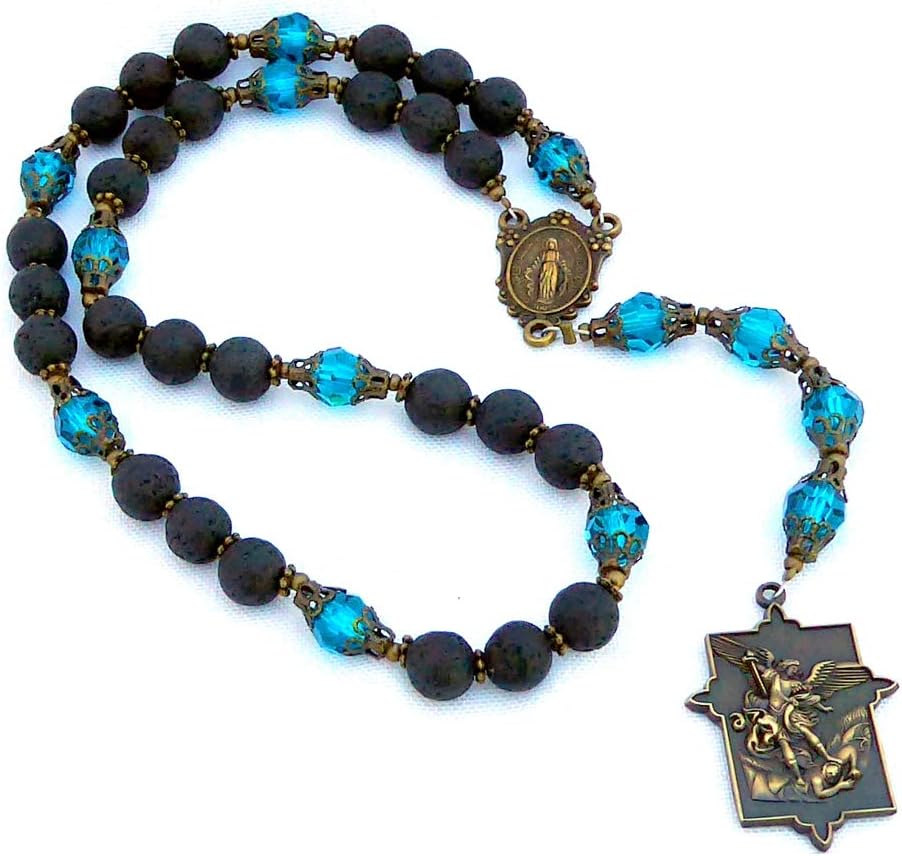
Below are a few examples of chaplets as physical objects. The exact materials or design are a matter of personal taste and budget, but their purpose is steady: to offer a simple, repeatable way to enter into prayer. When I see or hold chaplets like these, I think less about how they look and more about all the quiet moments they might eventually accompany: restless nights, Sunday afternoons, road trips, hospital visits, and the small in-between times when a short prayer feels possible.






How to gently begin praying with chaplets
If you are new to chaplets, it can help to start very small. Pick one devotion that draws you—maybe something connected to mercy, a favorite saint, or a part of Jesus’ life that feels close to your own story. Learn just the basic pattern of that chaplet, and give yourself permission to begin imperfectly. There is no scorecard. Some days you will finish it, some days you will not. God knows the difference, and also knows what is happening in your heart.
I remember when I first tried to pray a particular chaplet regularly. I wanted to be consistent, but I often forgot. Eventually I decided simply to leave the chaplet on my pillow each morning. Most nights, seeing it there reminded me to pause, even if only for a few minutes, before turning out the light. Over time, the routine became more natural, not because I suddenly became more disciplined, but because the chaplet was just there, waiting quietly.
For some people, chaplets fit easily into existing routines: after dinner, during a short walk, while waiting for kids at practice, or as part of Sunday afternoon rest. For others, chaplets are more like an “emergency rope,” something you reach for during anxious moments, medical tests, job uncertainty, or grief. Both approaches are perfectly human. Prayer can be planned or spontaneous, and chaplets can support either style.
If your mind wanders while you pray—and most of us know that feeling—try not to get discouraged. The beads can gently bring you back. When I notice I have drifted off mentally, I simply return to the next bead and begin again. The point is not perfection, but presence: bringing your real self, with all its worries and distractions, into God’s presence as honestly as you can.
Taking care of chaplets over the years
Because chaplets are handled often, they do eventually show signs of wear. Cords may fray, links may loosen, and metal can lose its shine. For some people, that gentle aging is part of the story. It reminds them of how many prayers have passed through their hands. Still, simple care can help a chaplet last longer, especially if it holds special sentimental value.
Most chaplets do well when kept away from moisture and harsh chemicals. It is usually better not to sleep with them on your wrist or carry them in a crowded pocket with sharp keys or coins. A small pouch in a purse, backpack, or drawer can protect the beads and keep them from getting tangled. If you have children or pets, it can also be wise to store chaplets safely when not in use, both for the chaplets’ sake and for safety.
Over the years, I have had chaplets that broke at the most inconvenient times—on airplanes, at work, in parking lots. Oddly, those moments became little invitations to patience and humility. Sometimes I repaired the chaplet later; other times it felt right to let it go and quietly replace it. The main thing is not to fear using chaplets because they might break. They are meant to accompany real life, with all its bumps and interruptions.
If you ever part with a chaplet that has been blessed, your parish or local priest can guide you on respectful ways to handle it. In general, simple reverence and common sense go a long way: treat these objects as you would any item that has helped you pray, with gratitude and care.
Frequently asked questions about chaplets
1. How are chaplets different from the rosary?
Chaplets are usually shorter and more focused on a particular devotion, saint, or mystery, while the rosary follows a familiar pattern of decades and specific mysteries. In practice, though, both are simply structured ways of praying with beads. Many people use the rosary daily and turn to chaplets at specific times, such as during Lent, before Confession, or when praying for a special intention.
2. Do I need a special chaplet to pray a certain devotion?
Often, you can pray some chaplets using a regular rosary, especially if instructions mention that. However, a dedicated chaplet can make it easier to follow the specific pattern without counting or adjusting. In my own experience, having the “right” number of beads in front of me helps me relax and enter more peacefully into the prayer, without worrying whether I miscounted.
3. When is a good time to pray chaplets?
You can pray chaplets whenever it fits your life. Some people choose a fixed time—early morning, lunchtime, or before bed. Others prefer to keep a chaplet nearby and reach for it in moments of stress, waiting, or quiet. I have prayed chaplets in hospital corridors, in airport terminals, and at the kitchen table late at night. There is no “perfect” schedule; the best time is usually the time you actually manage to pray.
4. Is it okay if I do not finish the whole chaplet?
Many of us rarely pray a chaplet perfectly from start to finish, especially during busy or painful seasons. If you are interrupted, you can simply pick up where you left off later, or let that unfinished attempt be your offering for the day. God is not counting your completed sets of beads; He sees the intention in your heart, even when your time and focus are limited.
5. How should I choose a chaplet for myself or as a gift?
It often helps to start by thinking about a devotion or saint that already means something to you or to the person you have in mind. From there, look for a chaplet that feels comfortable in the hand and seems suited to daily use. The style, color, and material are personal choices. Over the years, I have noticed that the chaplets people use most are not always the prettiest ones, but the ones that feel honest and familiar, like a well-worn book you reach for again and again.
Argomenti in evidenza
Pick the topic you care about and jump straight to the guide that helps you most.