Quiet prayer for loved ones

Chaplet for the Dead

Chaplet For The Dead

The Chaplet for the Dead is a simple way to remember those who have gone before us with love and prayer. It fits naturally into ordinary days: a few quiet minutes in the evening, a pause during a walk, a moment in church after Mass. There is nothing complicated about it. It is just a gentle pattern of beads that helps us keep our hearts turned toward God while we think of those we miss.

For many Catholics, praying for the dead has always been part of family life. Maybe you grew up hearing a parent whisper a short prayer when passing a cemetery, or lighting a candle on the anniversary of a death. A dedicated chaplet can support that same spirit of remembrance. It does not replace the Mass or any other prayer; it simply gives your hands something steady to hold while your heart speaks quietly to God.

When I first started using a Chaplet for the Dead, it was after the loss of a close relative. I did not have big words to say, and I did not feel particularly strong in faith. But holding the beads helped me stay present, one small prayer at a time. Over weeks and months, it became a peaceful way to visit their memory without rushing through grief or trying to “fix” anything.

Chaplet for the Dead
This page contains affiliate links. If you click and buy, I may earn a commission at no extra cost to you

What a Chaplet for the Dead Is (and Is Not)

A chaplet is simply a set of beads used for prayer, much like a rosary but often arranged for a specific devotion. The Chaplet for the Dead is focused on praying for the souls of the departed. The beads help keep count and keep your mind from drifting too far, but they do not “guarantee” anything or force God’s hand. They are tools for steady, intentional prayer, nothing more and nothing less.

This kind of chaplet is not magic and should never be treated that way. It does not replace the sacraments or the Mass. It does not remove the mystery or pain of death. Instead, it accompanies us in that mystery. When words feel thin or our thoughts are scattered, the repetition of short prayers can allow us to simply remain with God and with the memory of the person we love.

In my own life, the Chaplet for the Dead has often been a “bridge” between busy days and more focused prayer. There have been evenings when my mind was too tired to meditate deeply, but I could still pick up the beads and offer one small set of prayers for my grandparents, or for someone whose funeral I recently attended. It is a very human, very ordinary way to keep remembrance alive.

Many people keep such a chaplet in a bedroom drawer, next to a favorite Bible, or tucked in a purse or pocket. Its presence can be a quiet reminder that our relationships do not end at the grave, and that faith invites us to continue loving through prayer long after the funeral is over.

How the Chaplet Fits into Daily Life

In American Catholic homes, prayer practices vary widely. Some families pray together every night; others find it hard to keep a routine. A Chaplet for the Dead can adapt to either situation. It does not require a long block of time, and it can be prayed alone or with others. Even a few minutes on the couch before bed, or in the car while waiting in a parking lot, can become a small space where you intentionally remember your loved ones.

Here are some ordinary moments where I have found this chaplet helpful:

  • After visiting a grave, sitting quietly in the car before driving home.
  • On the anniversary of a death, when memories feel especially close.
  • In the days around a funeral, while everything feels rushed and emotional.
  • During November, when the Church remembers all the faithful departed.
  • On nights when grief or regret makes it hard to fall asleep.

Over time, these small moments of prayer add up. They do not erase sadness, but they can shape it into something gentler, more connected to trust than to despair. Instead of pushing away thoughts of the dead because they hurt, the chaplet gives a simple way to face those thoughts with faith and tenderness.

One day, after a hard conversation about an old family wound, I picked up my Chaplet for the Dead and prayed slowly through each bead for the people involved, living and deceased. Nothing “dramatic” happened, but my heart felt less tight by the end. The chaplet had turned a swirl of emotions into a steady offering, bead by bead.

Praying the Chaplet for the Dead with Reverence

There are different versions of the Chaplet for the Dead, with some variations in the exact prayers or structure. Many include familiar elements such as the Our Father, Hail Mary, and short invocations for the souls in purgatory. Most people keep to one pattern they find in a booklet or card that comes with the chaplet, and they simply follow that each time.

What matters most is not speed or quantity, but intention. Before you begin, you might take a quiet moment to name, in your heart or out loud, the person or people for whom you are praying. You can be very specific: a family member, a friend, a neighbor, someone whose death still feels unresolved, or even the forgotten dead who have no one else to pray for them.

If attention wanders, that is normal. When you notice your mind drifting, you can gently bring it back at the next bead. The chaplet itself helps with that. Your fingers know where you are even when your thoughts slide away, and they invite you back into the rhythm without scolding or pressure.

Sometimes, I do not finish the whole Chaplet for the Dead in one sitting. Life interrupts—children call, the phone rings, someone needs help. When that happens, I simply pause where I am and return later if I can. God is not counting how many beads we complete, but how sincerely we are trying to love Him and others through prayer.

Examples of Chaplet for the Dead Designs

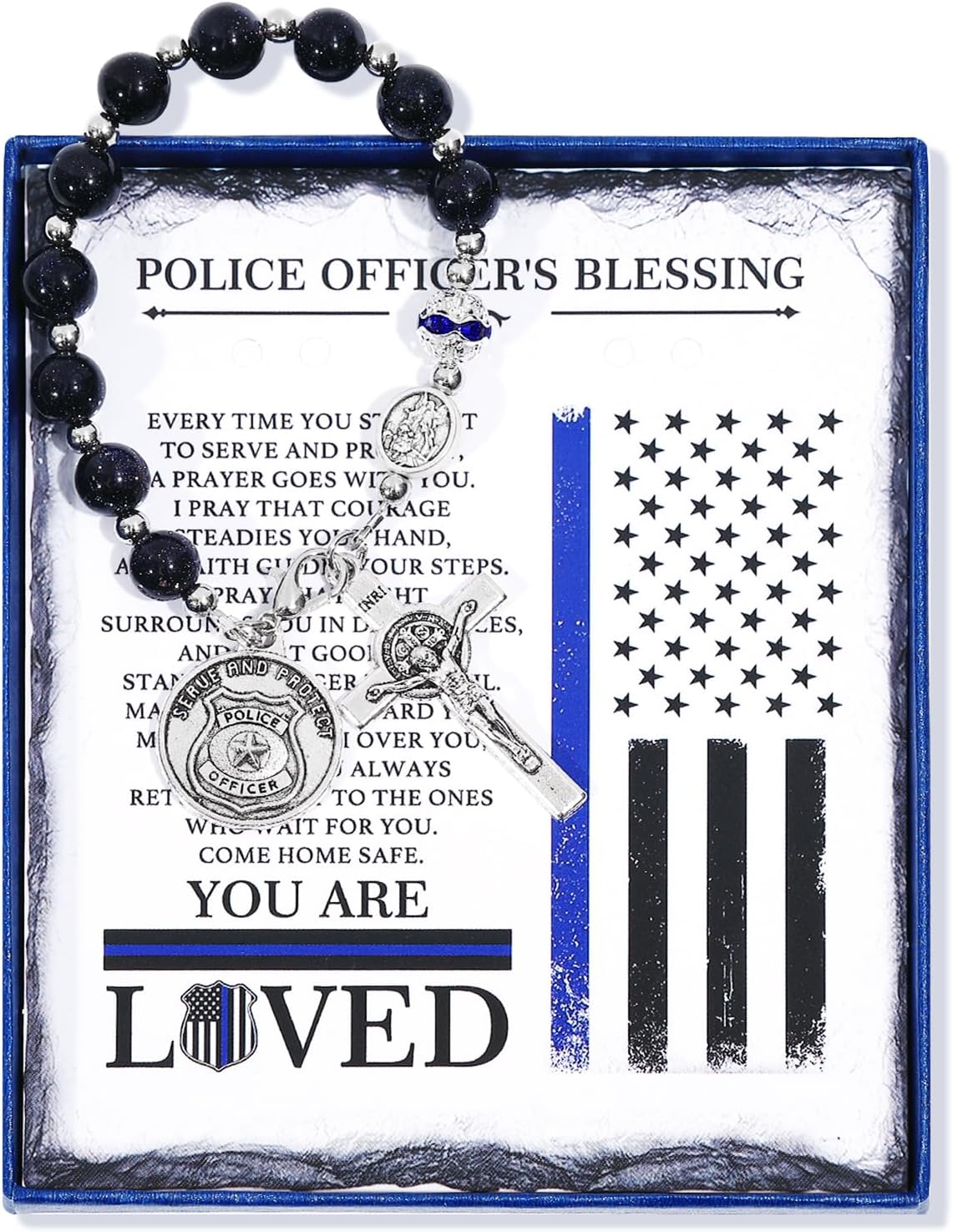
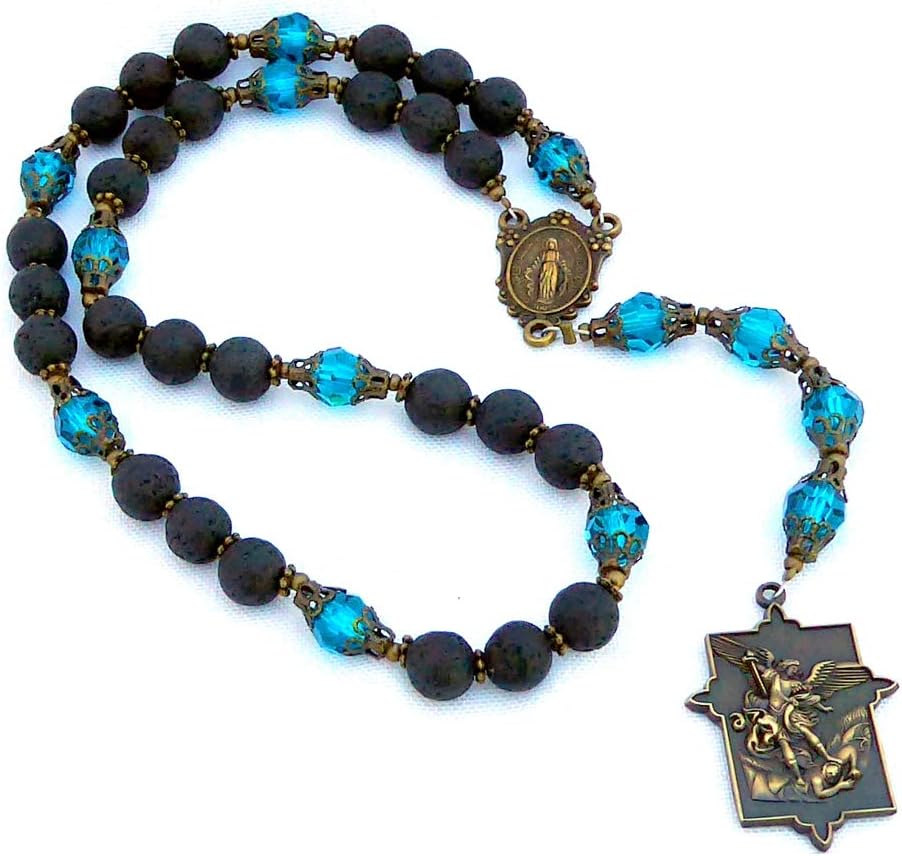
Here are some typical ways a Chaplet for the Dead might be designed. The exact details vary by maker, but the general idea remains similar: a focused layout of beads dedicated to prayer for the departed.

Chaplet for the Dead

This style often features clearly separated groups of beads so the fingers can move steadily through each part of the chaplet. The center medal may show an image that gently turns our minds toward hope in eternal life, encouraging trust even on difficult days.

Chaplet for the Dead

Some chaplets for the dead have a slightly heavier crucifix or medal at the end. That added weight can make it easier to find the beginning of the chaplet in the dark or in a pocket, which is a small but practical detail when you reach for it during a restless night.

Chaplet for the Dead

For some people, the beauty of the beads themselves makes it easier to approach prayer during painful seasons. There is something gentle about picking up an object crafted with care when our own hearts feel fragile. The Chaplet for the Dead can quietly remind us that God’s care continues even in loss.

Chaplet for the Dead

Others prefer a very simple design with modest colors, especially if they plan to carry the chaplet with them throughout the day. It can stay in a pocket, a work bag, or the glove compartment, ready for those unplanned moments when news of a death or an old memory stirs the heart to prayer.

Chaplet for the Dead

Some chaplets include small medals or symbols along the chain, each one offering a quiet reminder of God’s mercy. These touches are not necessary, but for many they make the chaplet feel more personal, more like a companion in prayer than just an object.

Chaplet for the Dead

There are also chaplets designed to be a little more durable, with stronger cord or chain links. These can be helpful if you plan to use the Chaplet for the Dead often or carry it with you each day. Wear and tear over years of prayer is a beautiful thing, but it is still wise to have a chaplet that can handle regular use.

Chaplet for the Dead

Whichever style you lean toward, the heart of the devotion remains the same: a simple, steady way to pray for those who have died, trusting them to God’s mercy even while your own heart continues to heal.

Personal Ways to Use a Chaplet for the Dead

Because the Chaplet for the Dead is so simple, it leaves a lot of room for personal customs. Some people like to focus on a single person each time they pray it. Others dedicate each group of beads to a different soul: a parent, a friend, a neighbor, someone from long ago, or those who died suddenly and unexpectedly.

In my own routine, I sometimes combine the Chaplet for the Dead with other small acts of remembrance: lighting a candle at home, placing a photo in a quiet corner, or writing a person’s name in a journal. These gestures do not have to be perfect or elaborate. They are a way of saying, “You are not forgotten. I am still praying for you.”

There have been evenings when I could not bring myself to say much. On those nights, just holding the chaplet for a few minutes was enough. The beads, worn a bit from use, reminded me of many previous prayers. Even when I felt spiritually dry, I knew that God had heard those earlier prayers, and that He would listen again even if the words were halting.

Families sometimes pray the Chaplet for the Dead together after a funeral or on an important anniversary. Children may not understand all the details of death, but they can usually follow along by fingering the beads or repeating short responses. This can gently teach them that our faith includes praying for those who are no longer physically with us.

If you live alone, the chaplet can also become a quiet friend on lonely evenings. It offers a way to talk to God about people you miss without needing to have everything sorted out. You can bring your questions, your regrets, your gratitude, and simply place them in His hands, bead by bead.

Chaplet for the Dead – Questions & Answers

Is the Chaplet for the Dead different from the rosary?

Yes. While both use beads, the Chaplet for the Dead usually has a different arrangement and a specific set of prayers focused on the souls of the departed. The rosary is centered on the mysteries of Christ’s life with Mary. Many Catholics use both: the rosary for daily meditation, and the Chaplet for the Dead when they want to focus especially on praying for those who have died.

When is a good time to pray the Chaplet for the Dead?

You can pray it at any time. Common moments include the anniversary of a death, during November when we remember the faithful departed, after hearing news of someone’s passing, or simply when a particular loved one comes strongly to mind. Some people choose one day a week to offer the chaplet for deceased family and friends.

Do I have to complete the whole chaplet every time?

No. Life is busy, and sometimes attention or time runs short. If you can only pray part of the chaplet, you can offer that sincerely and stop when you need to. You may choose to return later in the day or another time. What matters is the honesty of your prayer, not the length.

Can I use a regular rosary instead of a Chaplet for the Dead?

You can certainly pray for the dead using a standard rosary. A Chaplet for the Dead, however, is laid out so that its structure matches a particular prayer pattern for the departed. Some people find that having a dedicated chaplet makes it easier to focus on this intention and to remember the specific prayers involved.

What if I feel nothing while praying the Chaplet for the Dead?

Feelings come and go. Many faithful Catholics go through seasons when prayer feels dry or distant. That does not mean the prayer is empty. Gently staying with the beads, even when you feel little, can itself be an act of trust. Over time, the regular habit of turning to God in this way can quietly shape how you live with loss and remembrance.
If you sense that a Chaplet for the Dead might support your own way of remembering loved ones, you can take a quiet moment to look at the different chaplets available and see which one feels right for your hands and your prayer.