Padre Pio Chaplet
Padre Pio Chaplet – a simple string of beads, quiet and small, that can gently draw prayer into the ordinary corners of everyday life.
The Padre Pio Chaplet is not a complicated devotion or a rare spiritual secret. It is a very simple way to pray, almost like sitting with a trusted friend who understands suffering, silence, and small acts of faith. Many Catholics keep one nearby as a reminder that prayer can be as ordinary as breathing, even on days when words feel hard to find.
When I first began praying with a Padre Pio Chaplet, I did not feel anything dramatic. In fact, I mostly felt tired. But over time, I noticed that reaching for the chaplet became almost instinctive in quiet moments: a few minutes before bed, a short pause in the car before going into work, or a brief walk outside when the day felt heavy. The chaplet itself did not solve anything, of course, but it helped me show up in front of God with whatever I was carrying.
If you are curious about this devotion, you do not need to be an expert on Padre Pio or on prayer. A chaplet is simply a tool, something you hold in your hand while you gently turn your heart toward God. It can fit into the life of a busy parent, a college student, a retiree, or anyone who wants a quiet way to remember that God is near, even when life feels scattered.

This page contains affiliate links. If you click and buy, I may earn a commission at no extra cost to you.
What a Padre Pio Chaplet Really Is
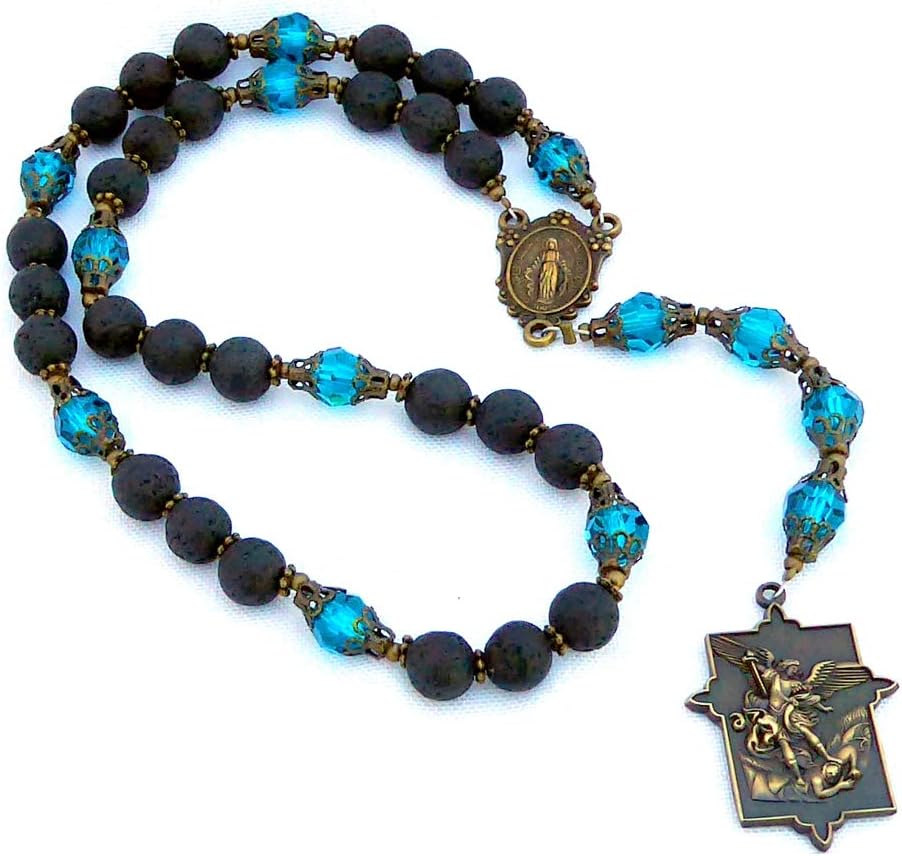
A Padre Pio Chaplet usually looks like a small set of beads, often with a medal or centerpiece showing Padre Pio, sometimes paired with a small crucifix. It is more compact than a full rosary, and often easier to carry in a pocket, a handbag, or even the cup holder of a car. The beads help you keep track of a short pattern of prayers, but there is nothing magical about them. They are simply a way to move more slowly, more intentionally, through a few minutes of prayer.
Many chaplets have beads arranged in groups, such as sets of three or ten, with a specific prayer for each group. Some people follow a traditional structure connected to Padre Pio’s life of suffering, trust, and love of the Mass. Others use the chaplet as a way to say repeated short prayers, like “Jesus, I trust in You” or “Stay with me, Lord,” while gently passing the beads through their fingers.
In my own use of the Padre Pio Chaplet, I have gone through seasons. There were times when I carefully followed a printed guide, moving bead by bead through a set pattern. In other seasons, especially when life felt overwhelming, I simply held the chaplet in my hand and repeated one short prayer, asking for the grace to remain faithful in small things. The chaplet is flexible like that. It does not demand a perfect routine; it quietly fits the rhythm of your life as it is.
Ways to Use a Padre Pio Chaplet in Everyday Life
A Padre Pio Chaplet can be used in many simple, unremarkable moments. If you already pray the Rosary or the Liturgy of the Hours, the chaplet can become a small extra devotion. If your prayer life feels dry or inconsistent, the chaplet can be a gentle doorway back into regular prayer without pressure or guilt.
1. Short prayer breaks during the day
One of the most realistic ways to use a Padre Pio Chaplet is in short breaks: five minutes in the car before going into the grocery store, a pause in the parking lot after work, or a quiet moment with a cup of coffee before the rest of the household wakes up. Instead of scrolling on your phone, you can simply pick up the chaplet, trace the beads slowly, and say a simple prayer on each one.
I remember keeping my chaplet hanging from the gear shift of my car for a while. On certain mornings, I would arrive early to an appointment and just sit there, engine off, fingers on the beads, breathing a little more slowly. Those were not extraordinary moments. But they helped shift my day from tight and hurried to a little more surrendered, even if the schedule did not change at all.
2. Evening wind-down before sleep
Many of us reach the end of the day feeling scattered. A Padre Pio Chaplet can become a kind of gentle nightly routine. You can sit on the edge of your bed, hold the chaplet, and quietly think back over the day—its burdens, its small joys, its unfinished tasks. On each bead, you might name a person to pray for, offer a quiet “thank You,” or ask for strength for the next day.
I have often fallen asleep with the chaplet still next to my pillow. Some nights I barely get through a fraction of the beads. That is all right. The point is not to finish a set of prayers, but to end the day with your heart turned toward God, even if your words are few.
3. Prayer for those who are suffering
Because Padre Pio knew suffering in his own life, from physical pain to misunderstanding and hidden trials, many people turn to him when praying for loved ones who are sick, lonely, or weighed down. A chaplet can become a tangible reminder to carry these people in prayer, bead by bead.
You might keep a small list in a notebook or on your phone, and as you move through the chaplet, simply mention one person on each bead. No long speeches are needed—just a name spoken in God’s presence, perhaps followed by a short prayer such as “Lord, hold them close” or “Give them courage today.” Over weeks and months, the chaplet becomes woven with the names and stories of those you love.
Noticing the Little Details: Materials, Medals, and Feel
Even though this page is not about judging products by quality or price, it can still help to notice the physical details of a Padre Pio Chaplet, because these details shape how it feels to pray with it. Some chaplets have smooth glass beads that glide easily through the fingers; others use wooden beads that feel warmer and more natural. Metal chains can be delicate or sturdy, and the medal of Padre Pio may be simple or more detailed.
Over time, you may discover that certain textures help you pray more calmly. I once had a Padre Pio Chaplet with slightly heavier beads, and I noticed that the weight made me more aware of each movement, almost like a gentle anchor during anxious days. Another chaplet I used was small and very light; it was easier to carry in my pocket, which meant I reached for it more often during short breaks.
None of these details are essential, but they can quietly support your prayer. The important thing is that the chaplet feels approachable, not intimidating—a familiar object you are glad to pick up, even on days when you feel distracted or tired.




Keeping a Padre Pio Chaplet Close at Hand
One of the quiet strengths of a Padre Pio Chaplet is how easy it is to keep close. Many people tuck a chaplet into a pocket, slip it into a purse, or leave it in a jacket they use often. Others hang it by their bedside, near a favorite chair, or on a small prayer table at home. Seeing it regularly can act as a gentle invitation, not a demand: “If you have a minute, you can pray.”
I once went through a season when I kept my chaplet in the same drawer as my keys. Almost every time I left the house, I would see the chaplet when I reached into the drawer. Some days I would pick it up and say a short prayer before heading out. Other days I would just notice it and move on. Either way, the chaplet became part of the landscape of my life, a quiet reminder that God was present in the coming and going of each day.
Simple places to keep your chaplet
- In a pocket of a coat you wear often, so prayer can slip into ordinary errands.
- In the glove compartment or console of your car, for moments of stillness before or after driving.
- Beside your bed, where you can reach for it at the beginning and end of the day.
- Near your favorite reading chair, for quiet afternoon or evening prayer.
- On a small home prayer corner, perhaps beside a candle or a holy card of Padre Pio.


Praying with Padre Pio in Family and Community
A Padre Pio Chaplet can also find a place in family life or among friends. Some families keep a chaplet on the kitchen table or coffee table and use it together on certain days, perhaps Thursday evenings or Sunday afternoons. Children may be drawn to the feel of the beads and the image of Padre Pio on the medal, and they can learn simple, short prayers that fit their age.
In a small prayer group, a chaplet can be passed from person to person as each one offers a brief intention. During a time of illness, grief, or major transition, a family might gather and pray the Padre Pio Chaplet together, quietly placing their worries and hopes into God’s hands. The chaplet itself is just a symbol, but it can help people feel united in prayer when words are few.
I have prayed the Padre Pio Chaplet with a friend who was going through a difficult season. We did not talk much during those moments; we simply sat, held the beads, and took turns naming people and situations that needed prayer. It did not remove the hardship, but it gave us a way to stand together before God, without pretending everything was fine.