Various Kinds of Rosaries and Chaplets
Various kinds of rosaries and chaplets can gently shape the rhythm of our days: in the car, during a short walk, beside a hospital bed, or in the last quiet minutes before sleep. Each style has its own story and a particular way it fits into prayer, but they all serve the same simple purpose—helping us turn our attention to God, bead by bead, with patience and trust.
Various Kinds of Rosaries And Chaplets
When I think about various kinds of rosaries and chaplets, I don’t picture a collection in a box, but different moments in life. One rosary lives in my car, another stays on my nightstand, and a small chaplet rests quietly in my work bag. They are not decorations or lucky charms; they are reminders to pause, breathe, and remember that I am not walking alone.

Over the years, I’ve noticed that different beads seem to match different seasons. There was a time when a simple wooden rosary helped me keep going through a stressful job, quietly resting in my pocket like a small anchor. Later, a sturdier corded rosary became my companion for daily walks, prayers half-whispered and half-silent as I circled the same neighborhood blocks.
Learning about the Holy Rosary and its many forms helped me understand that Catholics have used beads in many ways for centuries. Whether it’s a traditional Marian rosary, a Divine Mercy chaplet, or a special devotion, what matters most is the steady, honest turning of the heart toward God, one prayer at a time.
How Different Rosaries Serve Different Moments
Various kinds of rosaries and chaplets can support different moments of the day. Some are better for quiet, longer prayer; others feel more natural for short pauses—waiting in line, sitting in a doctor’s office, or walking the dog. The beads themselves don’t make prayer better or worse, but they can gently invite us into it.
Classic Five-Decade Rosary
The traditional five-decade rosary is usually the first one many of us receive—often from a parent, grandparent, or godparent. Mine came from my grandmother, simple and a little worn even when I first held it. This kind of rosary is well suited for a full, unhurried time of prayer, maybe in the evening or during Adoration.
A typical five-decade rosary works well when:
- You want to pray a full set of mysteries.
- You have a regular prayer time, like before bed.
- You’re praying together with family or friends.
Chaplets for Specific Devotions
Chaplets often focus on particular mysteries or titles of Jesus and Mary. I remember discovering a small chaplet for the Holy Wounds during a difficult time and being surprised by how its shorter format fit a very busy season of life. Instead of replacing the rosary, it quietly slipped into those little moments I might have otherwise filled with worry.
Chaplets can be helpful when:
- You feel drawn to a particular devotion.
- You have limited time, but want focused prayer.
- You want something you can finish on a short break.
One of the gentle gifts of various kinds of rosaries and chaplets is that they can grow with us. Some days the heart is ready for a full rosary; other days, all we can manage is a decade, or a short chaplet prayed slowly in the quiet of our thoughts. God sees the intention before the number of beads we complete.
Materials and Styles: Finding What Fits Your Life
When looking at various kinds of rosaries and chaplets, the material might seem like a small detail, but it can shape how we actually use them. The beads we are comfortable touching will be the ones we reach for most often.

Wooden, Glass, Metal, and Corded Beads
Wooden beads feel warm and familiar, especially for those who like a natural, simple touch. Glass beads can be smooth and cool, sometimes catching the light in a way that makes us slow down. Metal or stone rosaries feel more solid and weighty in the hand, while corded rosaries, often without metal chains, tend to be very sturdy and practical for daily use.
I went through a season when I kept breaking chain rosaries in my bag. Eventually I chose a simple corded one—no metal links to bend or snap. It wasn’t fancy, but I noticed something small: because I wasn’t worried about damaging it, I found myself reaching for it more often on the go.
Pocket, Wrist, and Car Rosaries
Not every rosary has to be full-sized. Some people like a pocket rosary with one decade and a crucifix, good for quick walks or a short pause between tasks. Wrist rosaries can be worn discreetly and used whenever there’s a quiet minute. Car rosaries often hang gently from the rearview mirror, serving as a silent reminder to pray, especially on longer drives.

I keep a small decade rosary in the side pocket of my car door. It’s nothing special to look at, but it has carried many simple prayers for family, for those I pass on the highway, and for people I’ll never meet. That little decade has turned ordinary commutes into small chapels of the heart.
Chaplets for Different Devotions
Among various kinds of rosaries and chaplets, some are closely connected to particular devotions. These don’t replace the regular rosary; they simply offer another path for those times we feel drawn in a certain direction—toward mercy, sorrow, hope, or trust.

Divine Mercy Chaplet
The Divine Mercy chaplet is often prayed on a standard rosary, especially at 3:00 p.m. when possible. For some, it becomes a daily habit, a quiet way to entrust a loved one, a difficult situation, or even the world itself to God’s mercy. Having beads dedicated to this chaplet can make it easier to remember and to keep it part of our routine.
Chaplets Honoring Mary and the Saints
Many chaplets are connected to titles of Mary or to particular saints. I remember once keeping a small chaplet to St. Joseph near my desk during a season when work felt uncertain and confusing. The prayers were simple, and I didn’t always finish them, but even a few beads at lunchtime reminded me that I could ask for help, even in the middle of spreadsheets and meetings.
These chaplets can gently support:
- Parents praying for their children.
- Workers facing job instability.
- Those caring for the sick or elderly.
- Students navigating new challenges.
With various kinds of rosaries and chaplets, we don’t have to limit ourselves to one single form. Over a lifetime, different devotions may come and go, but the thread that holds them together is the same: turning back to God, calmly and honestly, in the middle of real life.
Praying With Beads in Everyday Life
One of the quiet strengths of various kinds of rosaries and chaplets is how naturally they can slip into ordinary routines. Not every prayer time looks like kneeling in a quiet church. Many of mine have happened while folding laundry, sitting in a waiting room, or lying awake in the middle of the night.

For example, there was a period when I struggled to fall asleep. I began keeping a simple rosary under my pillow, not as a superstitious object, but as a quiet invitation. Some nights I prayed a full set of mysteries; other nights I barely made it through a decade. The point wasn’t finishing, but resting in God’s presence, bead by bead, until sleep finally came.
Small Habits With Beads
Here are a few gentle ways various kinds of rosaries and chaplets can weave into daily life:
- Praying one decade during a walk after dinner.
- Starting the morning with a short chaplet before checking your phone.
- Keeping a rosary in your pocket at work and touching it briefly before a hard conversation.
- Praying a Divine Mercy chaplet in the car while waiting to pick up children.
- Using a small chaplet during Adoration when your mind is restless.
These are not rules or obligations, just possibilities. Beads do not make us holier on their own, but they can quietly steady the heart, giving our fingers something to do while our thoughts turn slowly toward God.
Choosing Among Various Kinds of Rosaries and Chaplets
When faced with various kinds of rosaries and chaplets, it can feel a bit overwhelming. There are so many colors, materials, and devotions. In my experience, it helps to ask a few simple questions instead of trying to find the “perfect” one.
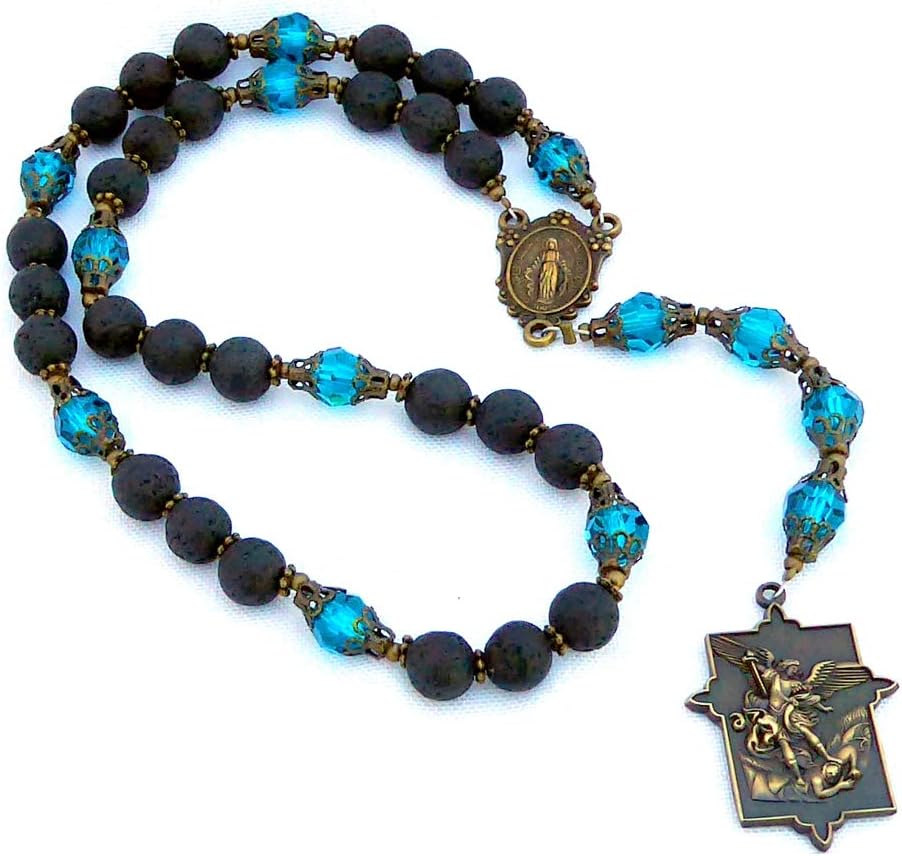
You might quietly ask yourself:
- Where will I most likely use this—home, work, car, on walks?
- Do I prefer something very simple, or something a bit more detailed?
- Am I drawn to a particular devotion right now?
- Do I need something sturdy for daily use or something more delicate for special times?
With various kinds of rosaries and chaplets, it can also help to start small. One main rosary and perhaps one chaplet that fits your current season of life are often enough. Over time, you may add others, or you may find that just a simple set of beads is all you truly need.
Rosaries and Chaplets as Quiet Gifts
Many of us first encountered the rosary as a gift: at a First Communion, a Confirmation, or even slipped into a hand during a time of grief. Various kinds of rosaries and chaplets can become quiet, steady gifts for people we love, not as pressure to pray, but as a gentle sign that we are thinking of them and entrusting them to God’s care.

I once gave a small chaplet to a friend who was going through a long illness. I didn’t explain much, only that the beads had helped me when I didn’t know what to say in prayer. Months later she told me that, on the hardest days, she would simply hold the chaplet in her hand, even when she was too tired to pray the words. That small sign of faith was enough for her in those moments.
Various kinds of rosaries and chaplets can support:
- Young people learning to pray more regularly.
- New parents awake at odd hours of the night.
- Elderly relatives who may pray slowly, one decade at a time.
- Friends facing surgery, grief, or long uncertainty.
In all these cases, the gift is not simply the object, but the quiet assurance, “I am praying with you, even when we are apart.”
Caring for Your Rosaries and Chaplets
As we gather various kinds of rosaries and chaplets over the years, a little care helps them last longer and keeps them ready for prayer. It doesn’t take much—just small, steady habits.

Simple ways to care for them include:
- Keeping them in a small pouch when carried in a bag or pocket.
- Avoiding sharp bends that might weaken metal chains.
- Wiping glass or metal beads gently with a soft cloth if they collect dust.
- Placing them where they won’t get tangled with keys or other items.
I have one older rosary with a broken chain that I kept instead of throwing away. It reminds me that even worn or damaged beads have carried real prayers and real tears. If a rosary can be repaired, that is often worthwhile; if not, we can still treat it with gratitude and respect, remembering all the moments it accompanied us.
Frequently Asked Questions About Various Kinds of Rosaries and Chaplets
1. Is there a “best” type of rosary for daily use?
There is no single best type for everyone. For everyday use, many people prefer something sturdy and comfortable in the hand, such as a corded or wooden rosary that will not tangle easily in a pocket or bag. The best choice is usually the one you are most likely to actually use: a rosary that feels natural to hold and fits the rhythm of your day.
2. How many rosaries or chaplets do I really need?
You do not need a large collection. Many people pray faithfully with just one simple rosary. Others find it helpful to keep one at home, one in the car, and maybe a small chaplet in a pocket or purse. If various kinds of rosaries and chaplets help you pray in different situations, a few well-chosen ones can be enough for a lifetime.
3. Is it disrespectful to use a rosary while walking or doing chores?
Praying while walking, commuting, or doing light tasks has been part of Catholic life for a long time. As long as we are respectful and intentional, using beads during ordinary activities can be a very natural way to bring prayer into daily life. The key is to keep a spirit of reverence, even in simple surroundings.
4. What should I do with a broken or very worn rosary?
If possible, you can repair it or have someone restring it, especially if it has sentimental value. If it cannot be fixed, many people choose to bury or burn the remains respectfully rather than simply throwing them away. The important thing is to treat rosaries and chaplets, even when broken, with the same quiet respect you showed them when they were new.
5. How do I choose a chaplet if I’m new to specific devotions?
If you are new to chaplets, you might start with one devotion that gently attracts you, such as the Divine Mercy chaplet or a chaplet honoring Mary or a saint who has already played a role in your life. Read a little about the prayers and see whether they fit your current needs and season. There is no need to rush; let your devotion grow slowly and simply, one bead at a time.
If you feel drawn to explore various kinds of rosaries and chaplets more deeply, you can quietly look through what is available and see which ones seem to fit your own way of praying and living the faith day by day.